
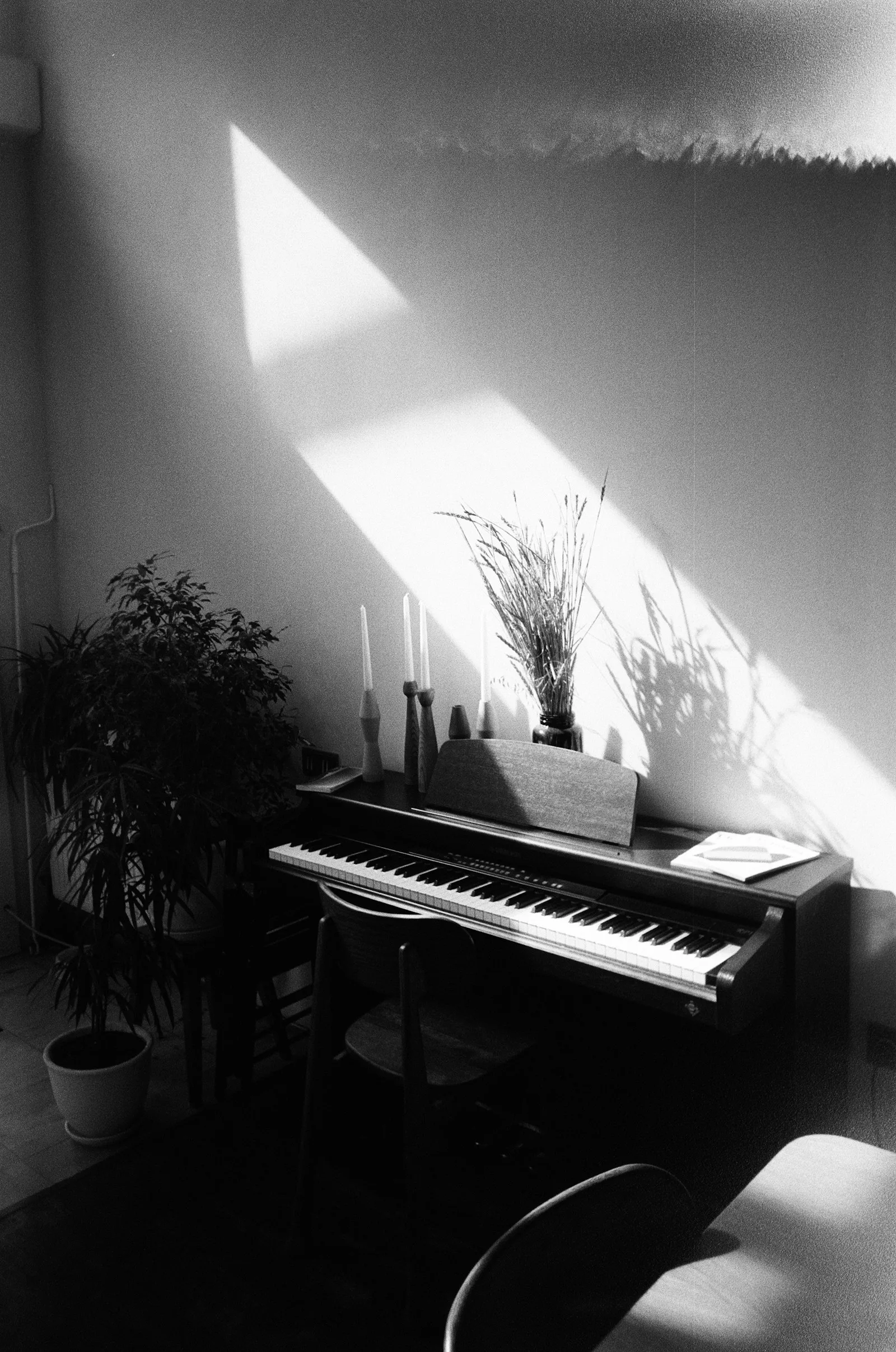
Summer Piano Moving in San Diego: Heat, Humidity, and What to Watch For
Every summer we get the same question from customers in coastal neighborhoods like La Jolla and Pacific Beach: does the marine layer really affect a piano while it's being moved? The short answer is yes, but not in the ways most people expect. The bigger risk isn't the two-hour drive across town — it's what happens in the days before and after the move, when the instrument transitions between environments.
How San Diego summer humidity affects pianos
Pianos are built around wood, and wood breathes. The soundboard, pin block, and case all expand slightly when humidity climbs and contract when it drops. In San Diego we see two distinct summer patterns: coastal fog that pushes relative humidity into the 75–85% range overnight, and inland heat pockets in places like Escondido and Temecula where afternoon RH can drop into the 20s. Move a piano from one to the other on the same day and the wood is chasing a moving target.
According to the Piano Technicians Guild, most pianos are happiest between 42% and 55% relative humidity, held as steady as possible. Anything you can do to reduce the shock during a summer move helps the tuning hold and protects the soundboard long-term.
What we do differently in summer
Our local piano moving crews use padded trucks year-round, but summer scheduling gets more attention. We aim for morning loads when it's cool, and we avoid parking the truck in direct sun during a lunch break — the interior of a closed box truck in July can climb 30 degrees above ambient in under an hour. For long-distance piano moves leaving San Diego, we time inland transits for cooler hours whenever the schedule allows.
Padding matters too. Full quilted covers keep the case out of direct sun and buffer the temperature swing during loading and unloading. We wrap grand piano lids and legs separately so nothing rubs, and we keep the covers on until the instrument is in its final room.
Timing the tune
The most common summer mistake is calling a tuner the day after the move. Give the piano at least two weeks to acclimate to the new room's humidity before tuning — three or four weeks is better if you're moving from the coast to inland or vice versa. Tuning too early wastes money because the piano will drift again as the wood settles.
If your piano is going into storage first
Summer is our busiest season for between-moves piano storage, usually because of remodels and escrow gaps. A climate-controlled facility is worth the small monthly cost — a garage or self-storage unit in Southern California summer can hit temperatures that permanently damage glue joints. We store instruments wrapped, off the floor, and pick them up and re-deliver with the same crew that brought them in.
Planning a summer piano move
Book at least a week ahead in July and August. Our schedule fills quickly with military PCS moves in Oceanside and long-distance moves out of state. If you're on a tight escrow timeline, call us first — we can usually work in urgent local moves within a day or two. Request a free quote here or call us directly and we'll walk you through the timing.
Further reading
Piano Technicians Guild — PTGNeed a piano moved in Southern California?
San Diego Piano Movers has moved pianos across San Diego, Riverside, Orange County, and beyond since 1989. Call for a free quote from a piano-only specialist crew.
More from the blog
Piano Care
Moving an Antique Piano: What Changes When the Instrument Is 100 Years Old
October 12, 2026 · 6 min read
Piano Care
Moving a Piano in the Rain: How We Protect Your Instrument in Wet Weather
October 5, 2026 · 6 min read
Moving Tips
How Long Does It Take to Move a Piano? Realistic Timings by Type and Access
September 28, 2026 · 7 min read