
How to Get Rid of an Old Piano: Donation, Sale, and Disposal Options
An unwanted piano is a strange kind of problem. It is too heavy to carry out on your own, too valuable-looking to throw away without guilt, and too big to ignore in a room you want back. We hear from San Diego homeowners every week who inherited an upright, bought a spinet for a child who quit lessons in 2014, or are clearing a parent's house on a deadline.
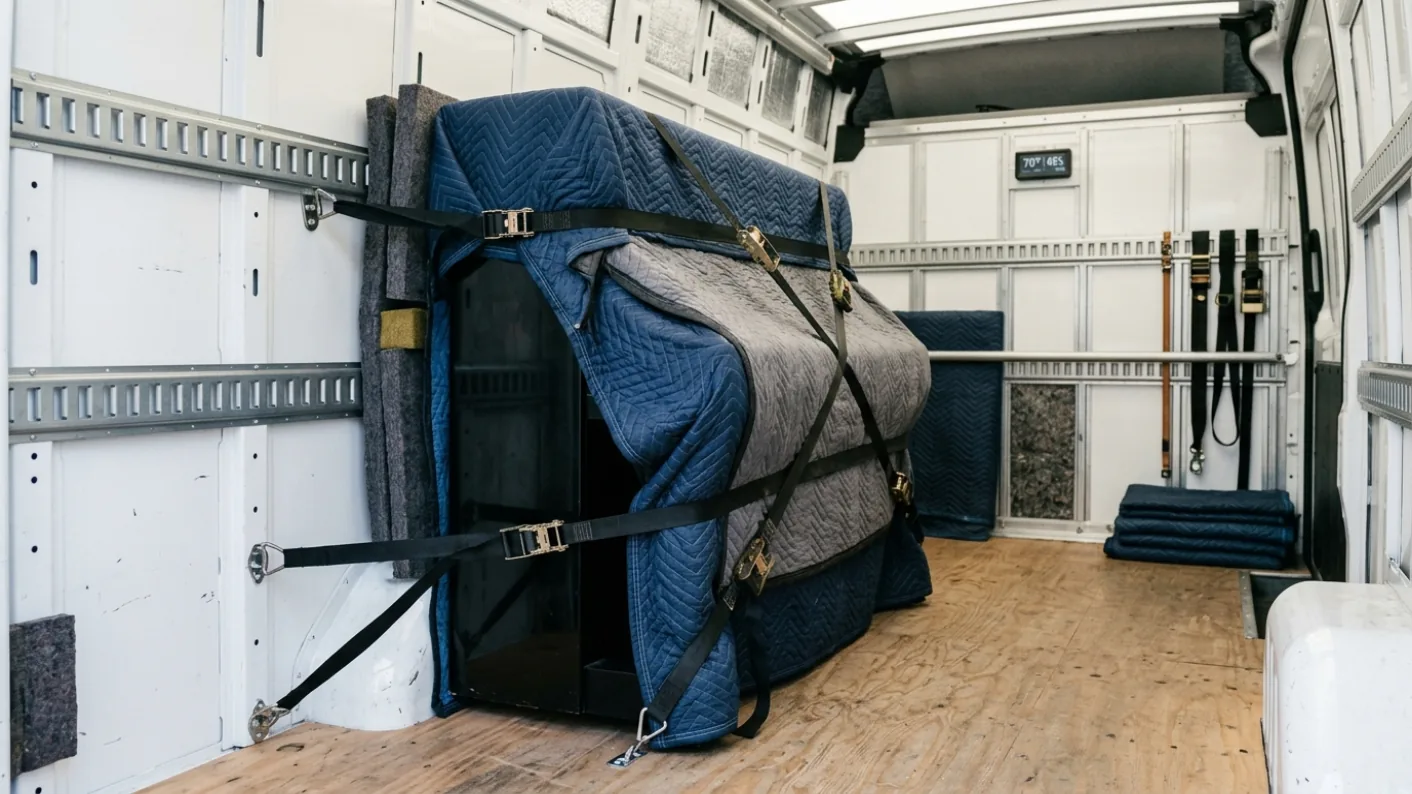
Here is a straight answer to what your options are, how to judge whether the instrument is worth relocating at all, and where we fit. We are piano and organ movers. We have moved instruments across Southern California since 1989, and we do not haul junk or take pianos to a landfill. What we can do is get a piano to a buyer, a school, a church, a family member, or into climate-controlled storage while you decide.
First, figure out what you actually have
The decision starts with the instrument, not the logistics. Three things matter most.
Type and size
Spinets (about 36 to 40 inches tall) and small consoles were built by the hundreds of thousands in the mid-20th century. They are the hardest pianos to sell or give away because supply is enormous and the short string length limits tone. Studio uprights (45 to 48 inches) and full uprights (over 48 inches) hold value better. Grands almost always have a market if the structure is sound.
Weight tracks size closely: spinets typically run 300 to 400 pounds, studio uprights 450 to 600, tall old uprights 500 to 800, baby grands roughly 500 to 650, and larger grands 700 to 1,200 pounds. We break the numbers down further in our guide to how much a piano weighs.
Condition of the things that cannot be cheaply fixed
Sticky keys, worn hammers, and a dead-sounding treble are normal wear. The deal-breakers are structural. A cracked cast iron plate, a soundboard with wide separations, loose tuning pins that will not hold pitch, or a pinblock that has given up. A piano that cannot be brought up to standard pitch and held there is generally not worth restoring for a home.
Whether a technician has looked at it
We move pianos; we do not tune, appraise, or repair them. Before you spend money moving an instrument you are unsure about, pay a piano technician for an inspection. It is the cheapest step in this entire process and it settles the question. If you are on the other side of the transaction and considering buying something used, our post on what to check before you pay for delivery covers the same ground from a buyer's view.
Option 1: Sell it
Grands, newer verticals from recognized makers, and well-kept studio uprights sell in San Diego County. Local listings, community boards, church bulletins, and school music departments all work. Two things speed up a sale:
- A recent technician's report. Buyers discount heavily for unknowns.
- A clear answer on delivery. Many sellers state that the buyer arranges moving, then hand over our number. Others fold the move into the asking price.
Be realistic about timing. Sales take weeks, not days. If your closing date or move-out date is fixed, plan a fallback.
Option 2: Donate it
Donation is the outcome we see most often for instruments that are playable but not valuable. Places worth calling in our service area:
- Churches and congregations, especially smaller ones with rehearsal rooms
- School and community-college music departments
- Youth programs, recreation centers, and senior centers
- Theater groups and rehearsal spaces
Two honest cautions. First, almost every recipient needs the piano delivered and placed; very few have a crew or a truck. Second, most will decline a spinet or anything that will not hold pitch, because they already get offers. Call before you promise anything to anyone.
If the recipient is a church with a stage, choir loft, or organ already in place, read what congregations should plan for, since the access questions are similar for a donated piano.
Option 3: Move it to family instead
Sometimes the piano has no market value but real family value. Moving it to a sibling in Temecula or a daughter in Carlsbad is a legitimate answer, and it is a normal local piano move for our crews. If the destination is out of state, a long-distance move is possible too, though at that point weigh the cost against buying a comparable used instrument near them. Our post on cross-country piano moves from San Diego lays out what that involves.
Option 4: Store it while you decide
If you are selling a house, downsizing, or waiting on a family member's new place, storage buys time without forcing a decision. Do not put a piano in an unconditioned unit in inland heat. Temperature and humidity swings loosen glue joints, move the soundboard, and knock the instrument out of tune. That is why our climate-controlled storage exists, and why the same reasoning applies to summer moves in Riverside and San Bernardino counties.
Option 5: Responsible disposal, honestly explained
Some pianos are past saving. A water-damaged upright with a cracked plate is a 500-pound object, and pretending otherwise wastes your money.
We do not offer disposal or junk hauling, and we will tell you that on the phone rather than sell you a move that makes no sense. Here is what disposal actually looks like:
- Junk removal or bulky-item services. General removal companies handle pianos as oversized items. Some municipal waste providers offer bulky pickup with advance scheduling. Check what your city's provider allows.
- Salvage first. The cast iron plate alone often weighs 300 pounds or more and is scrap metal. Brass hardware, casters, ivory-topped keys, and the case wood are sometimes wanted by rebuilders, artists, and woodworkers. Refinishers and technicians occasionally take a dead piano for parts, free of charge.
- Recycle what can be recycled. Wood, iron, and copper wire from a dismantled piano do not have to go to a landfill. The U.S. Environmental Protection Agency's recycling guidance is a good starting point for understanding how bulky mixed-material items get handled.
One more thing: do not attempt to break a piano apart yourself. Strings are under tension measured in tens of thousands of pounds across the instrument, and the plate can shift without warning. Leave dismantling to people equipped for it.
What drives the cost of moving it out
Whether the piano goes to a buyer, a church, or a relative, the price of the move depends on measurable things rather than sentiment:
- Instrument type and weight, which is why grands and uprights price differently
- Stairs, steep driveways, narrow gates, and tight turns at both ends
- Elevator access, certificates of insurance, and building rules if a condo or apartment is involved
- Distance between the two addresses across San Diego, Riverside, Orange, and San Bernardino counties
- Whether storage sits between pickup and delivery
Trying to save the cost by recruiting friends is the single most common way old pianos cause injuries and broken door frames. Our honest DIY comparison spells out the risk.
A simple sequence that works
- Identify the type and measure the height or length.
- Have a technician inspect it if you plan to sell, donate, or ship it.
- Make calls to potential recipients before scheduling anything.
- Photograph the path out: doorways, stairs, gates, curb access.
- Book the move once you have a confirmed destination and date.
Tell us where it needs to go
If your old piano has a buyer, a church, a school, or a relative waiting for it, that is exactly the work we do. Call (800) 499-5733 or send us the details, including the piano type, both addresses, and any stairs or tight access. If the honest answer is that the instrument belongs in a salvage or removal stream instead, we will say so. It costs you nothing to ask, and 35 years of moving instruments in San Diego and across Riverside County has taught us that a straight answer saves everyone time.
Further reading
U.S. EPA guidance on reducing, reusing, and recycling — U.S. Environmental Protection AgencyNeed a piano moved in Southern California?
San Diego Piano Movers has moved pianos across San Diego, Riverside, Orange County, and beyond since 1989. Call for a free quote from a piano-only specialist crew.
More from the blog
Piano Care
Moving an Antique Piano: What Changes When the Instrument Is 100 Years Old
October 12, 2026 · 6 min read
Piano Care
Moving a Piano in the Rain: How We Protect Your Instrument in Wet Weather
October 5, 2026 · 6 min read
Moving Tips
How Long Does It Take to Move a Piano? Realistic Timings by Type and Access
September 28, 2026 · 7 min read