
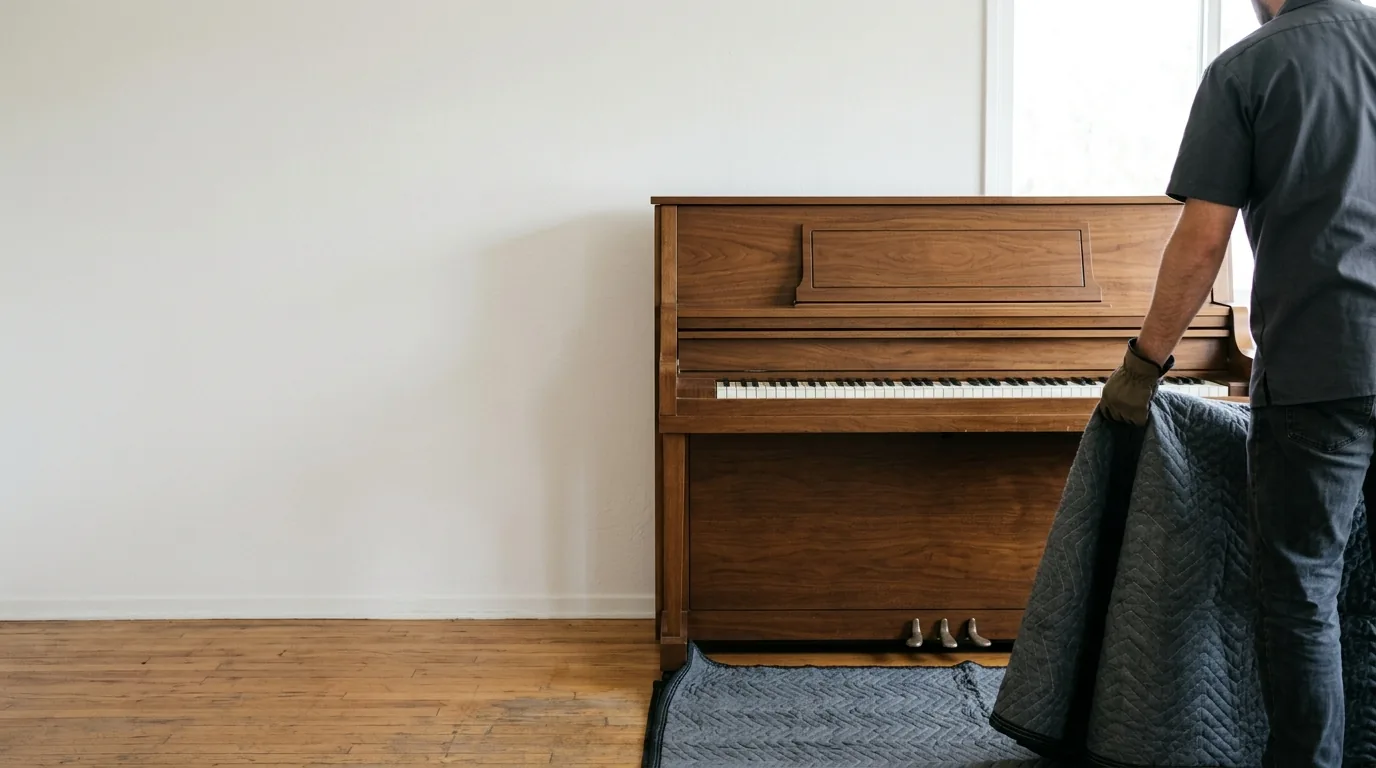
What Happens If Movers Damage My Piano? Coverage, Claims, and Documentation
It is a fair question, and asking it does not make you a pessimistic customer. A piano is one of the heaviest and most valuable single objects in a home, and you are handing it to strangers with dollies and straps. You should know what happens if something goes wrong before the truck pulls up, not after.
Here is a plain-language walkthrough of how coverage on a piano move usually works, the difference between the valuation options you will be offered, how a claim actually moves along, and the handful of photos and notes that make the whole process simpler. This is general information from 35+ years of moving pianos in Southern California, not legal or insurance advice.
First, the realistic odds
Damage on a professionally handled piano move is uncommon. A specialist crew moves the instrument on a piano board or skid with padding and straps, controls it through doorways and turns, and never lets the weight rest on a leg, pedal lyre, or caster. Most of the risk in piano moving is concentrated in a few predictable places:
- Stairs and landings, especially tight 90-degree turns
- Narrow doorways, thresholds, and gate posts
- Steep or uneven driveways and loose paver walkways
- Truck loading and tie-down
- Walls, banisters, door casings, and flooring on the route
When something does get marked, it is far more often a wall corner or a door jamb than the piano itself. That is worth knowing, because coverage usually treats the instrument and the property differently. If your move involves a staircase, our breakdown of moving a piano up stairs in San Diego homes explains how crews plan around those pinch points.
The terms you will hear: cartage, valuation, and released value
Moving companies do not sell you insurance in the way an insurance agent does. What a mover provides is cargo liability — often called cartage coverage — which is the company's contractual responsibility for goods in its care. Separately, a mover carries general liability coverage for property damage, plus workers' compensation for its crews. Those are three different things, and it helps to keep them straight when you are reading a bid.
Valuation is the part that determines how much a mover owes if an item is damaged. In household goods moving you generally see two structures:
Released value (weight-based minimum)
This is the basic, no-extra-charge level of liability. Payment is calculated by weight, not by what the item is worth. On a heavy instrument that math sounds better than it is: an upright at 500 to 800 pounds or a 6-foot grand at 650 to 900 pounds still produces a figure far below what a good piano is worth. If you want the weight context, see how much a piano actually weighs by type.
Declared or full value protection
Here you declare a value for the instrument up front, and the mover's liability is tied to that number rather than to poundage. Depending on the terms, resolution can mean repair, replacement, or a cash settlement for the diminished value. Declared value normally costs more, and the price scales with the amount declared and any deductible you choose.
The important habit: declare a number that reflects the piano's real market value, and be ready to support it. A recent appraisal, a technician's written valuation, or the original sales invoice all help. If you bought secondhand and never had it evaluated, our guide to inspecting a used piano before you pay for delivery covers the documentation worth collecting.
One more distinction that surprises people: replacement value and replacement cost are not always the same in a claim. A 40-year-old console with a scratched cheek block is not usually settled by buying you a new console. It is usually settled by repairing the finish to its pre-move condition. For a rare or vintage instrument, that is exactly why an appraisal matters.
Check the underlying regulation, not just the brochure
Moves that stay inside California are regulated differently from moves that cross a state line. Household goods carriers operating intrastate in California are permitted and overseen by the California Public Utilities Commission, which publishes consumer information on mover requirements and the paperwork you are entitled to receive. Interstate moves fall under federal rules instead. That is part of why the paperwork on a long-distance piano move reads differently from a same-day local piano move across town.
How a claim actually works
The process is less dramatic than people expect. It is mostly paperwork and photographs.
- Note it at delivery if you can. Before the crew leaves, walk the instrument and the route. If you see something, say so and get it written on the delivery paperwork. A contemporaneous note is the single strongest piece of evidence in any claim.
- Report it in writing. Call, then follow up by email so there is a dated record. Include the move date, the address, a description, and photos.
- Expect an inspection. For anything beyond a cosmetic scuff, a qualified piano technician or finish specialist typically assesses the damage and writes an estimate. That estimate, not a guess, drives the settlement.
- Resolution. Depending on the valuation you selected and the nature of the damage, the outcome is repair by a technician, a cash settlement, or replacement.
- Keep the timeline in mind. Claim windows are defined in your paperwork and they are not indefinite. Read that section before the move, not after.
Two things commonly slow claims down: no before photos, and a report filed weeks later once a family has already used the room, moved furniture, and touched up walls. Both are avoidable.
What to document before the crew arrives
Give yourself twenty minutes with a phone camera the day before.
- Wide shots of the piano from all four sides in good light
- Close-ups of the finish on the lid, fallboard, cheek blocks, legs, and bench — existing dings and finish checking included
- Photos of casters, pedal lyre, and hardware
- Inside shots of the keys, key slip, and music desk
- Serial number, usually inside the top or on the plate
- The route: door casings, thresholds, banisters, stair treads, gate posts, and floors at both addresses
Keep the metadata intact, which means do not screenshot them. Existing wear documented up front protects both sides: it keeps an old scratch from becoming a dispute. Our grand piano preparation checklist folds this photo pass into the rest of the prep.
What to document after delivery
Repeat the same sequence within a day. Compare side by side. Look specifically at corners, leg tops, pedal lyre attachment points, and the bottom edges of the case, because those touch the piano board. Check the route surfaces too.
Sound is a separate matter. A piano that arrives out of tune has not been damaged; it has been moved. Pitch shifts from handling and from a change in room humidity are normal, and we explain the timing in whether to tune your piano after a move. Sticking keys, a buzzing string, or a pedal that no longer engages are different and worth reporting.
Ways to lower the risk before anyone lifts
- Give accurate access details. Step counts, turn widths, and driveway grade change the plan. Surprises are where damage lives.
- Handle building requirements early. Elevator reservations and certificates of insurance take time. See our notes on moving a piano into a San Diego apartment or condo.
- Ask coverage questions during the bid, in writing. Valuation options, deductible, claim window, and who inspects. Our list of questions to ask a piano mover before booking includes the exact wording.
- Do not let the piano sit in an uncontrolled unit. If there is a gap between homes, climate-controlled piano and organ storage protects the instrument far better than a standard garage unit.
Talk it through before you book
We have been moving pianos and organs only — no sales, no tuning, no repairs, no junk hauling — since 1989, across San Diego and into Riverside, Orange, and San Bernardino counties. You can see the full service area if you are unsure whether your address is covered.
If you want the valuation options and claim terms for your specific move explained in plain English before you commit, contact us for a quote or call (800) 499-5733. Tell us the piano type, both addresses, stairs, and any tight turns, and we will walk you through the plan and the paperwork together.
Need a piano moved in Southern California?
San Diego Piano Movers has moved pianos across San Diego, Riverside, Orange County, and beyond since 1989. Call for a free quote from a piano-only specialist crew.
More from the blog
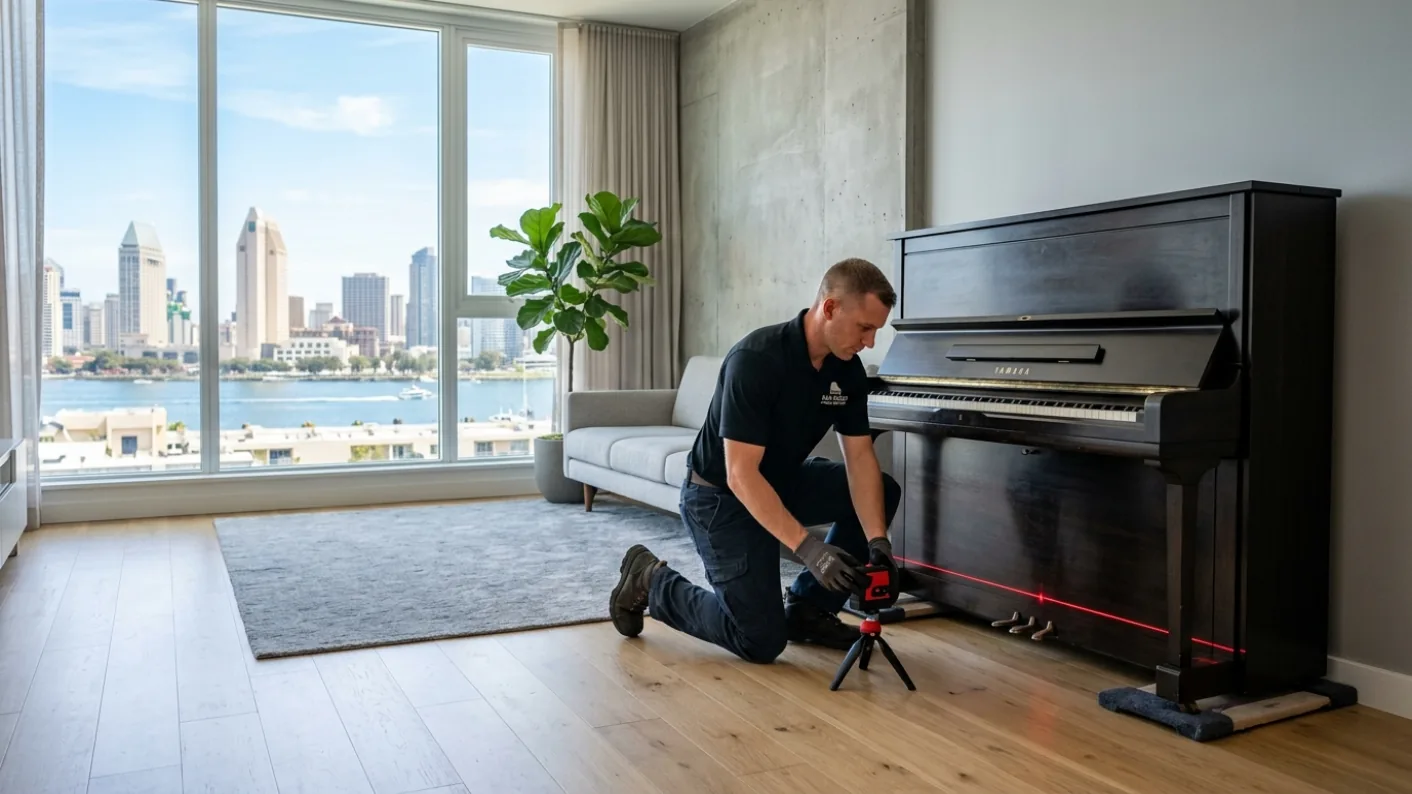
Piano Facts
Player Piano Moving: Why They're Heavier and More Fragile Than They Look
September 7, 2026 · 7 min read
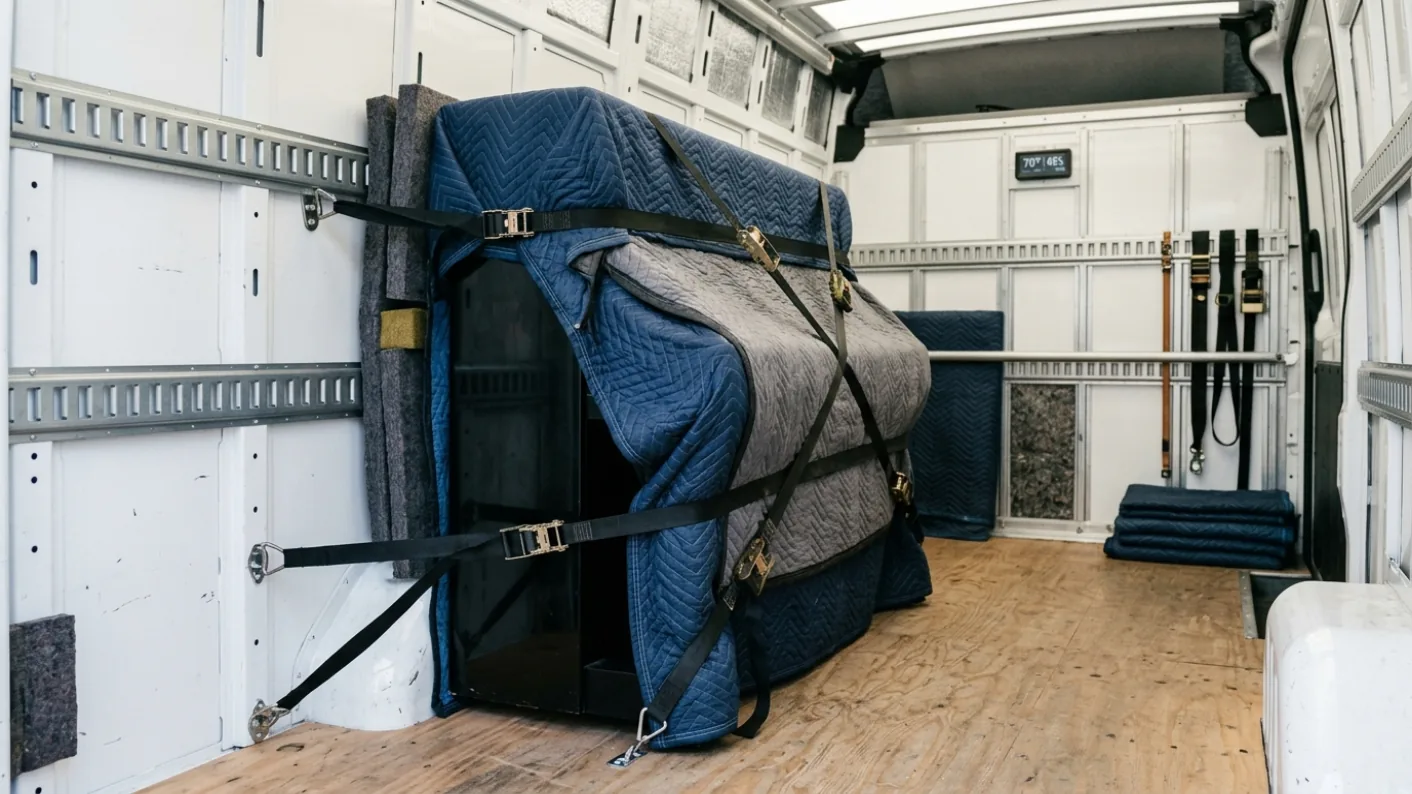
Moving Tips
How to Get Rid of an Old Piano: Donation, Sale, and Disposal Options
September 3, 2026 · 7 min read
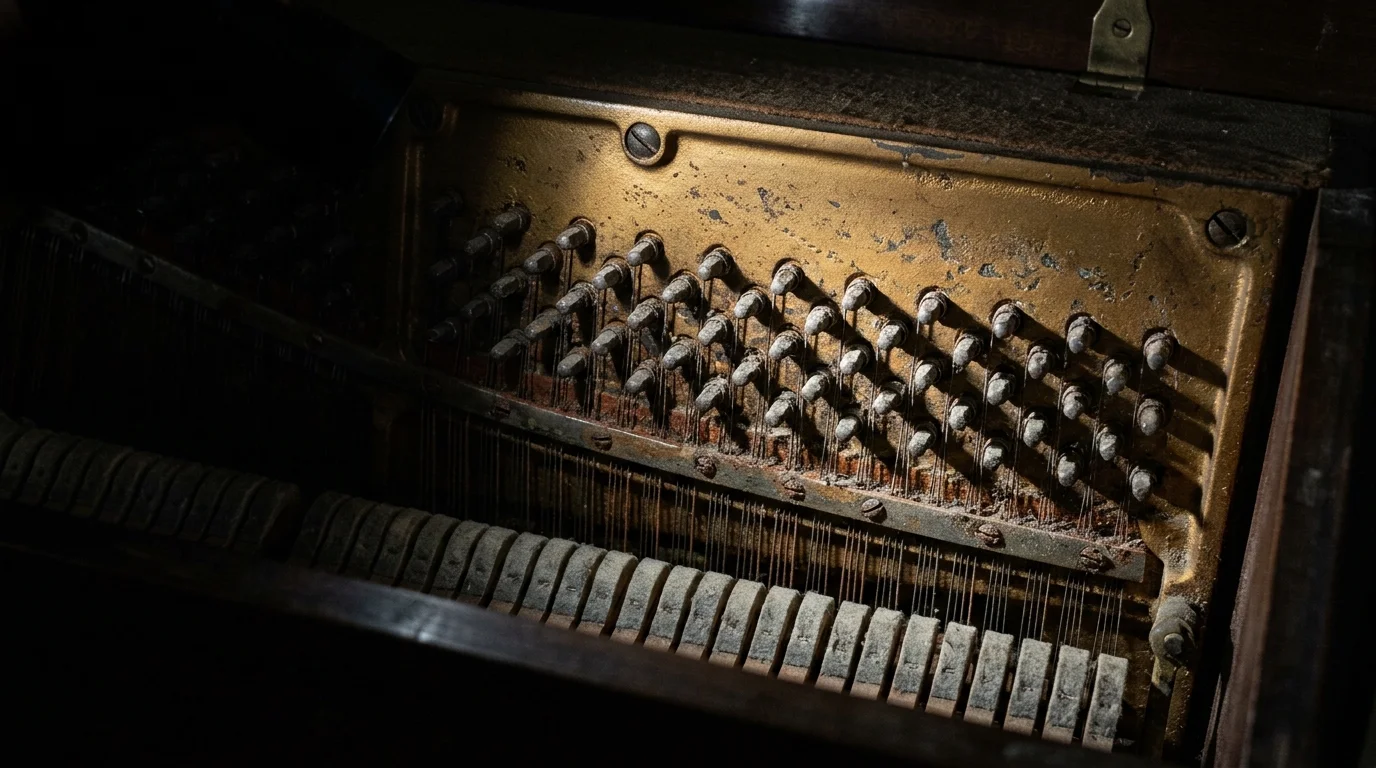
Buying & Selling
Buying a Used Piano in San Diego: What to Check Before You Pay for Delivery
September 1, 2026 · 8 min read